
It’s a Tuesday afternoon and your restaurant is in full swing. Orders are coming in, the kitchen is buzzing, and customers are chatting over lunch. Everything feels just right.
Then?
That familiar click of the power shutting down, followed by silence.
The lights go dark, the POS system stalls, and the refrigerators stop humming.
You’ve handled outages before, but lately they seem to be happening more often. What used to feel like a rare hiccup is starting to show up a little too regularly. Staff look at you for answers, customers start checking their watches, and you’re left wondering if this is a quick blip or if the day’s revenue will be gone before the lights come back on.
So what’s changing?
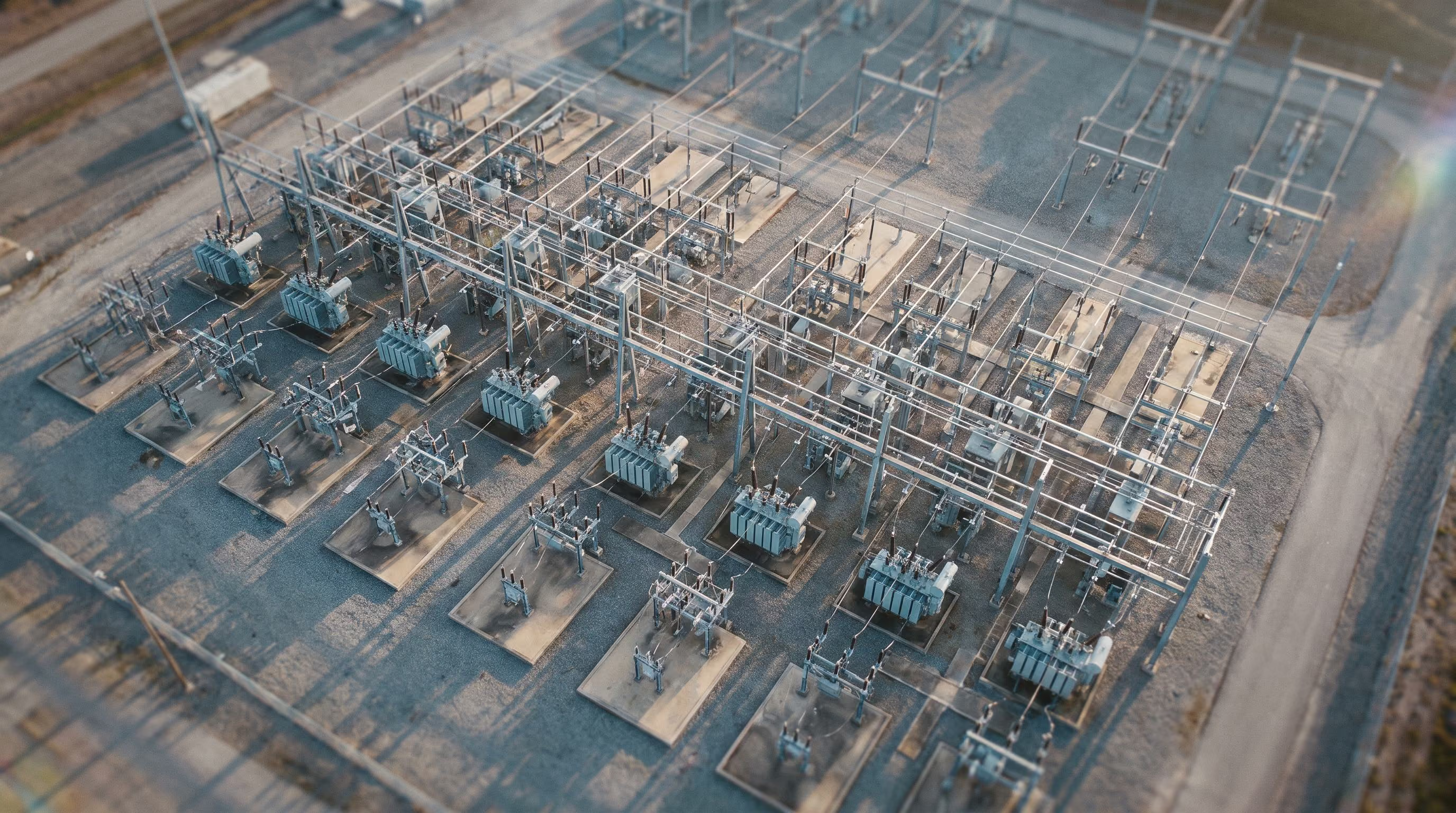
For most of us, reliable electricity is something we don’t even think twice about. It’s just…there. But in reality, much of the U.S. power grid is 25-50 years old, and under growing pressure to keep up.
From aging transformers to the surge in power-hungry AI data centers, the system is being pushed harder than ever before, and it’s starting to show.
Here’s a look at what’s going on, and why it matters for businesses like yours.
A six-hour outage is manageable. Eight hours without power can bring a business to a halt, sometimes with little warning.
Why is the U.S. Power Grid Under So Much Pressure?
What many people don’t realize is that much of the U.S. power grid is considered to be in poor condition, with many parts past their life span and badly in need of upgrades.
While utilities have been slowly upgrading sections over the years, the pace hasn’t kept up with how quickly we as a society are putting increasing demands on the system. Some experts believe that planners may even be underestimating the growth that new, energy-demanding industries will bring.
As a result, more equipment is running on borrowed time and is more likely to fail. Especially during weather extremes or peak usage.
For a business, an outage of six hours may be manageable, but eight hours without power can bring things to a halt, slow things down, and cut into revenue. Sometimes with little warning.
And the cause doesn’t have to be local. Because the U.S. grid is so interconnected, an issue hundreds of miles away can ripple across state lines and leave communities that are far from the original problem in the dark.
Why is Electricity Demand Suddenly Surging?
For decades, electricity demand in the U.S. was steady, and even falling. Businesses and utilities could count on predictable usage patterns year over year.
But that’s changed. And fast.
Much of that growth isn’t even coming from more homes or restaurants. It’s from industries that keep our modern lives running, but are also using staggering amounts of power.
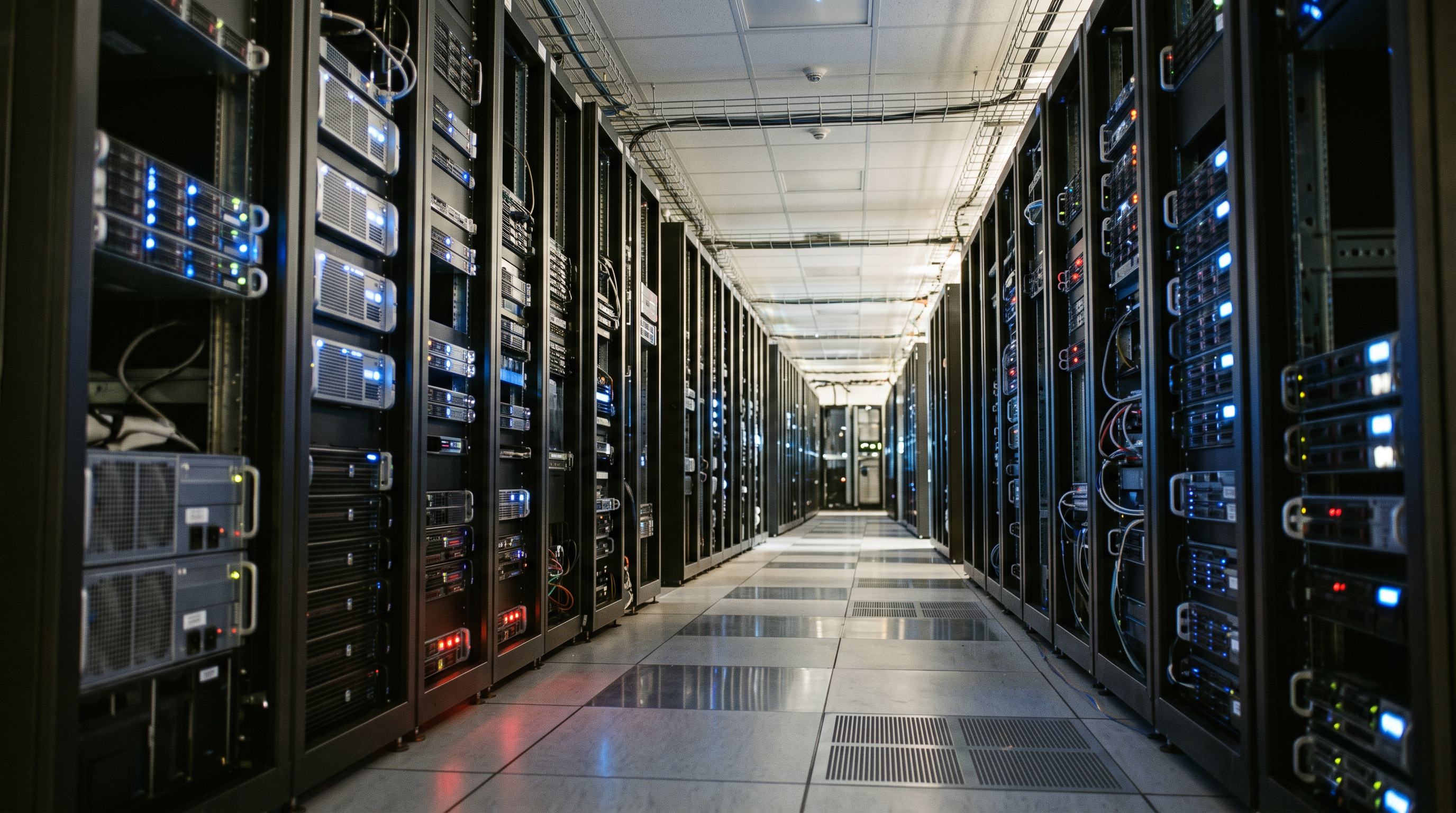
- Data centers: Run 24/7 to support everything from online shopping to streaming movies, and they consume 10 to 50 times more energy per square foot than a typical office building, together accounting for about 2.5% of all electricity sales in 2022.
- Artificial intelligence: As businesses adopt AI, the data centers powering those tools need even more capacity. Training and running AI models require huge amounts of computing power, drastically increasing the electricity demand already tied to digital infrastructure.
- Other emerging tech: Crypto mining, blockchain, and advanced manufacturing are adding strain to the local grids that are already stretched thin.
The Federal Energy Regulatory Commission says grid planners now expect nationwide electricity demand to grow 4.7% over the next five years, and potentially triple by 2050.
Just a year earlier, that five-year growth forecast was only 2.6%, until these industries pushed it higher.
These technologies aren’t going anywhere, and in many cases, they’re essential for modern businesses. But their rapid growth is one reason the grid is experiencing new pressures in such a short period of time.
This surge isn’t about finger-pointing. It’s about understanding how quickly the balance of supply and demand is shifting, and why it matters for every business, no matter its size or industry.
A single lost day can cost
$5,000-
$10,000
when aging equipment fails mid-afternoon.
Adaptive Insurance
Why This Matters for Any Business That Runs on Power
Rising demand puts stress on the grid, but it can also change how and where electricity gets delivered. And when a system is stretched thin, that shift can play out in ways you may not expect.
- Aging equipment fails: If a decades-old transformer gives out mid-afternoon, and your small business operations grind to a halt, that can mean $5,000-$10,000 in lost revenue in a single day.
- Power gets rerouted: If a large data center nearby suddenly increases its power draw, utilities may shift supply to meet that need, and your business moves further down the priority list. That could mean losses that stack up quickly.
When the grid can’t keep up, even shorter outages have a larger impact. That’s why more and more businesses are looking at resilience tools, like Adaptive’s GridProtect parametric power outage insurance solution, to put fast recovery funding into your hands when the lights go out.
Unlike traditional insurance, parametric coverage pays out based on a pre-agreed trigger, like a 12-hour outage, rather than making you prove a specific loss first. Most businesses get their funds within days, not weeks, so they can keep things moving.
Want to see how GridProtect works? Take a look at the full breakdown.
The average outage hit
11.8
hours in 2024, up from 9.6 hours in 2018.
ORNL
Every month, more than
20%
of businesses lose power at least once.
S&C
Is the Power Grid Less Reliable Than It Used to Be?
The average U.S. power outage is lasting longer.
It rose from 9.6 hours in 2018 to 11.8 hours in 2024, with more than 20% of businesses experience an outage at least once a month.
Those numbers are a reminder that even if the lights usually come on when you flip the switch, the grid isn’t as consistently dependable as it once was. For a business, that can mean anything from lost sales to missed deadlines.

A Moment for Clarity, Not Panic
It’s important to note that this isn’t about fear. It’s about awareness and empowerment.
Because when infrastructure runs past its prime and demand spikes without warning, businesses are often the first to feel it. That can mean tough choices in the moment, and an impact that lingers long after the lights come back on. These challenges aren’t unique to any one industry either. Whether it’s a restaurant losing a day of service, a salon missing appointments, or an office scrambling to meet a deadline, power disruptions affect every kind of business.
The same grid that delivered near-constant reliability for decades won’t necessarily work the same way tomorrow…unless we’re paying attention.
Fast-response coverage options, for example, can turn a short outage from a major disruption into a manageable bump in the road. And understanding what’s changing with the grid today is the first step toward making sure power (and your business) stays as dependable as possible tomorrow.
Frequently Asked Questions
Why are power outages becoming more common?
Power outages are increasing due to an aging grid, rising electricity demand from data centers and AI, and more frequent extreme weather. Much of the grid’s transmission infrastructure is 25 to 50 years old and wasn’t built for today’s level of demand.
How much is electricity demand being driven by data centers and AI?
Data centers consume 10 to 50 times more energy per square foot than a typical office building and accounted for about 2.5% of all U.S. electricity sales in 2022. Nationwide electricity demand growth forecasts jumped from 2.6% to 4.7% over five years, largely due to data centers and AI.
How much can a power outage cost a small business?
A single lost day from a power outage can cost a small business between $5,000 and $10,000, particularly when aging equipment fails unexpectedly or operations are disrupted mid-shift.
What can businesses do to prepare for more frequent power outages?
Businesses can look into fast-response coverage options, like parametric insurance, that pay out based on a verified outage trigger rather than requiring proof of loss. This allows funds to arrive within days instead of weeks, helping a short outage stay a manageable disruption rather than a lasting setback.
Want to learn how Adaptive’s parametric coverage can help keep your business moving when the grid falters? Contact us at hello@adaptiveinsurance.com.