
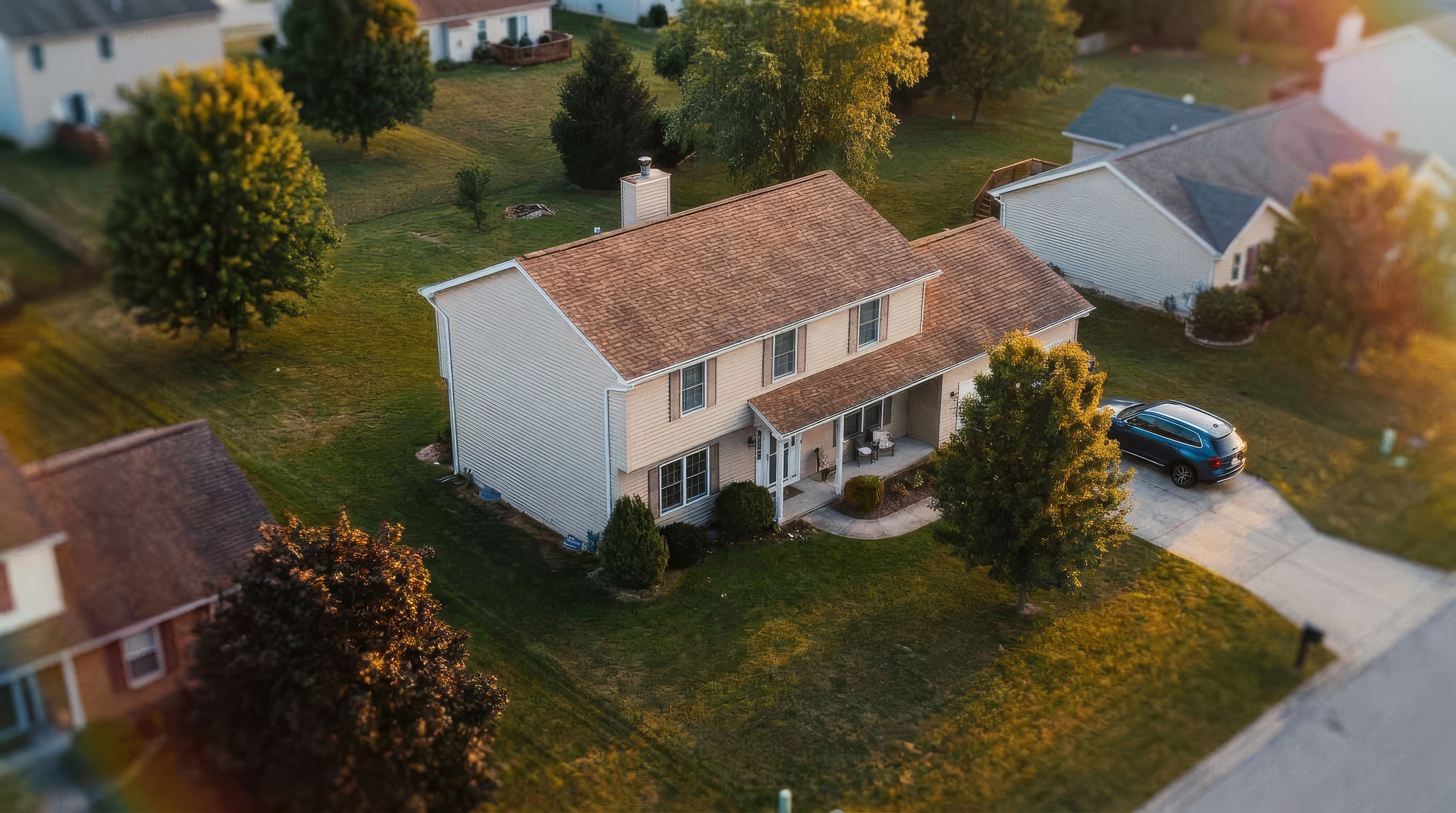

When Sarah and her husband bought their home, flood risk was on the checklist so they did what many buyers do. They reviewed a FEMA flood map, confirmed the new house was outside a high-risk flood zone, and learned that their lender did not require flood insurance.
With inspections, closing costs, and moving plans already competing for attention and budget, flooding felt like one less thing to worry about.
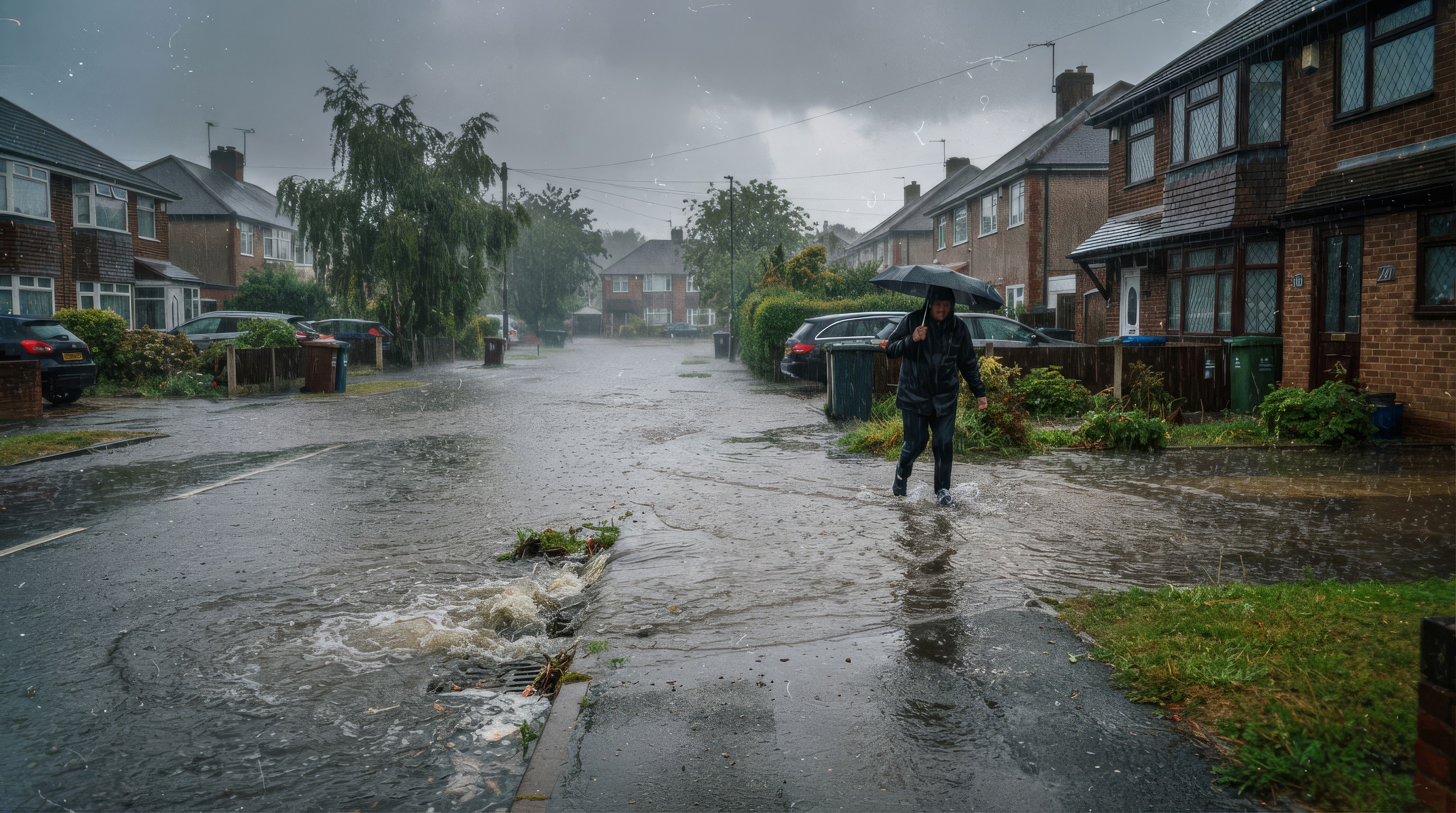
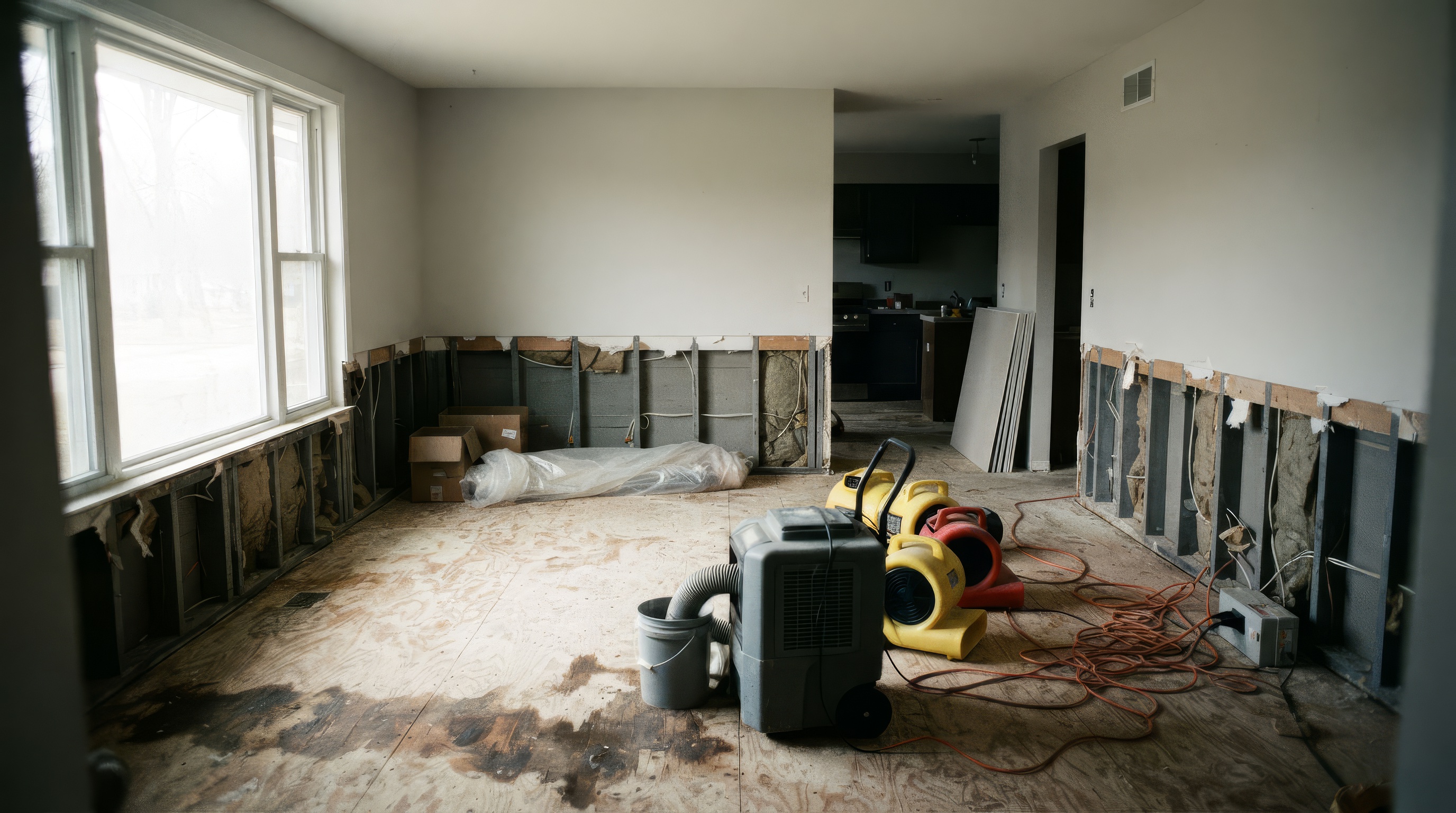
Then, a few years later, a heavy storm overwhelmed the neighborhood drainage system. Water moved across the yard and into their home, damaging flooring, drywall, cabinetry, appliances, and personal belongings.
While their home was outside the area considered a “flood zone,” it was not outside flood risk.
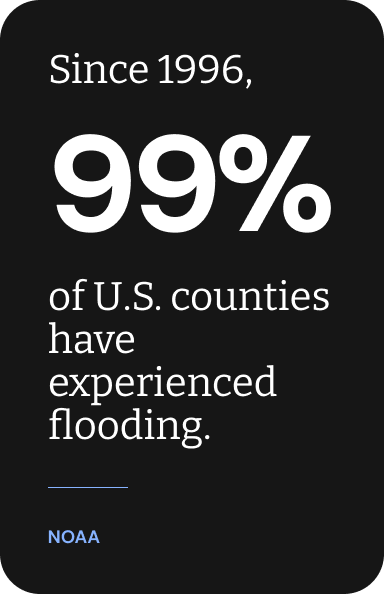
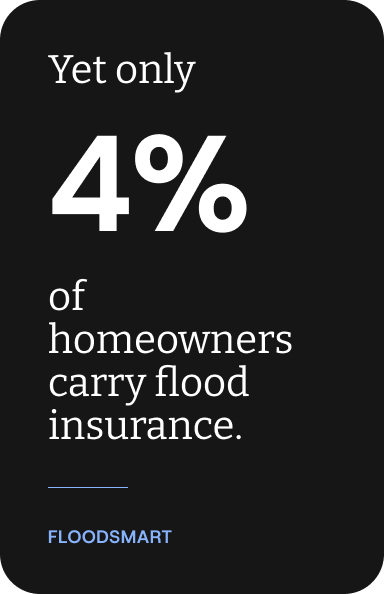
Flooding is the most common and widespread weather-related natural disaster,1 and it is not limited to coastal or traditionally flood-prone communities. Since 1996, 99% of U.S. counties have experienced flooding, but only 4% of homeowners have flood insurance.2
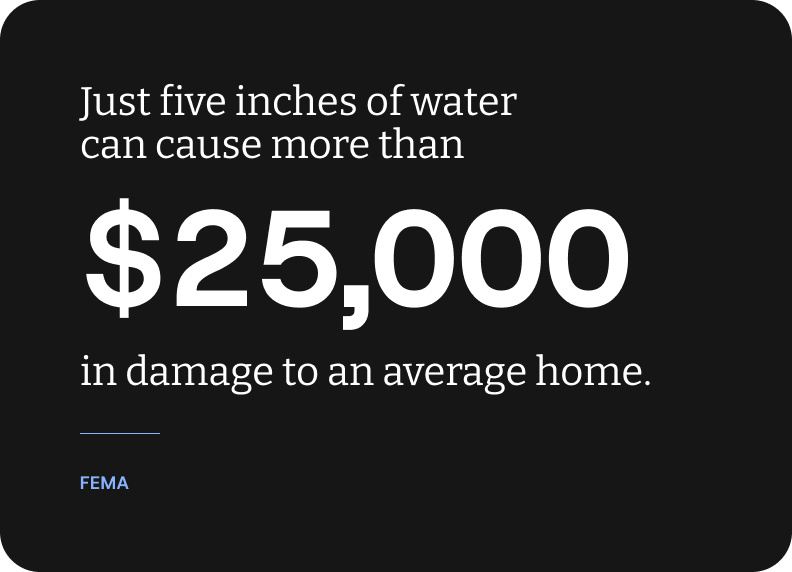
And it does not take several feet of water to create an expensive loss. FEMA estimates that just five inches of water in an average-sized home can cause more than $25,000 in damage.3
Flood risk is also becoming harder to evaluate based on past experience alone. New development can change how water drains through a community, aging infrastructure can struggle during heavy rainfall, and flood maps may not always reflect the latest conditions.
For homeowners, this creates a growing need to look beyond whether a property sits inside a designated high-risk zone and consider how much damage a flood could cause.
Whether a homeowner already has flood coverage or is deciding what kind of policy to purchase, a few key factors can shape what recovery might look like:
- Is the building limit high enough to support the cost of repairs?
- Would there be help with temporary housing expenses if repairs mean moving out while they’re underway?
- Can the homeowner still get flood coverage if the property is outside a high-risk flood zone?
- These considerations matter even more for higher-value homes, coastal properties, and homes outside designated high-risk zones that may still face flood exposure.
The amount available for covered damage, whether temporary living costs are included, and where and when coverage is available can all affect what happens next.
For many homeowners, the National Flood Insurance Program, or NFIP, is the first option they consider when looking into flood coverage.
But its limits, waiting period, and coverage structure may not match every property or recovery need. Understanding how NFIP works is an important first step in deciding whether a homeowner may need another option.

What is NFIP, and When Might Homeowners Need More Coverage?
The National Flood Insurance Program, commonly known as NFIP, has played an important role in residential flood insurance since Congress created it in 1968.
At the time, flood insurance was difficult for many property owners to obtain through the private market. The program was designed to make coverage more widely available while encouraging participating communities to adopt and enforce floodplain-management standards intended to reduce future flood damage.
For many homeowners, NFIP is a familiar and useful place to start. Given changes in how homes are built, where and for how much, some properties and recovery needs may now call for coverage that goes further.
For a single-family home, NFIP building coverage is capped at $250K. For a home that could sustain more than $250K in covered building damage, that limit may leave a gap between the amount of eligible damage and the coverage available through the policy.
NFIP also generally does not include Additional Living Expenses, also called ALE or Loss of Use. That means a homeowner may have coverage for eligible damage to the house but no help with temporary housing or related expenses while repairs are underway.
Timing can also be a challenge. NFIP policies typically have a 30-day waiting period before coverage goes into effect, with some exceptions, including certain situations involving lender-required coverage. That waiting period may be a concern when someone approaches storm season or realizes the property’s flood exposure has changed.
When standard flood coverage does not match the potential amount of damage, the cost of recovery, or the timing of when coverage is needed, homeowners may want to consider another option.
Coverage limits are only part of the conversation. Homeowners also need to understand where flood risk exists, especially because being outside a high-risk flood zone does not mean being outside flood risk.

Can a Home Still Flood Outside a High-Risk Flood Zone?
Yes. Flooding can be unpredictable, and it does not always happen where people expect it to.
A flood zone shows the estimated level of risk in a particular area, but it does not separate homes that can flood from homes that cannot.
Flooding can result from heavy rainfall, overflowing waterways, storm surge, rapid snowmelt, drainage problems, and other conditions that cause water to cover normally dry land.
A property outside a high-risk zone may have a lower chance of flooding, but the risk is not zero. In fact, nearly one-third of NFIP claims have come from properties outside high-risk flood areas.⁴
Flood maps can also change over time as new construction, changes in the community, erosion, flood-prevention projects, and weather patterns affect how water moves through an area.
For homeowners, that means being outside a high-risk zone is not a guarantee. The property’s location, nearby drainage, surrounding waterways, and the amount of damage a flood could cause all matter when considering coverage.
The cost of a flood can also go beyond just repairing the house itself. Homeowners may need to replace damaged belongings, find another place to stay during repairs, or account for added expenses to bring an older home up to current building codes.
A conversation about flood coverage should go beyond whether the home is inside a high-risk zone or whether a policy is already in place. The more important question is whether the coverage fits the property’s flood risk and what the homeowner may need during recovery.
What Does Adaptive’s Residential Flood Insurance Offer?
Compared with standard coverage through the National Flood Insurance Program, or NFIP, Adaptive’s residential flood insurance offers higher available limits, Additional Living Expenses (Loss of Use) up to $100K, no waiting period, and availability for eligible properties outside high-risk flood zones in all 50 states.
Because it is available for eligible residential properties in all 50 states, including properties outside NFIP’s designated high-risk flood zones, Adaptive’s residential flood insurance can support a wider range of flood coverage needs.
It gives homeowners coverage that can better reflect the potential cost of covered flood damage and recovery, while giving agents another option when a client’s needs do not fit neatly into a standard solution.
The product can support homes with combined Total Insured Value (TIV) from $30K to $4M across building, contents, AND Additional Living Expenses.
The policy can include:
- Building coverage
- Contents coverage
- Additional Living Expenses (or Loss of Use) up to $100K
- Increased Cost of Compliance (building codes) up to $50K
- Coastal and inland exposures
The product also has a minimum deductible of $1K, and a blanket deductible option.
How This Coverage Could Help After a Flood
A higher-value home may sustain more than $250K in covered flood damage to flooring, walls, cabinetry, mechanical systems, and other parts of the property. If the homeowner has $250K in building coverage through NFIP, the available limit may not cover the full amount of eligible damage.
Another homeowner may be less concerned about the building limit and more concerned about where the family would live during repairs. If a flood makes the home temporarily unlivable, Additional Living Expenses (or Loss of Use) can become a major part of recovery.
These are the kinds of situations where flood coverage needs to reflect more than whether a policy exists. It needs to reflect the potential amount of covered damage and what recovery may actually require.

Who May Be a Good Fit for This Type of Flood Coverage
Not every homeowner needs the same flood solution. The right fit depends on the property, the home’s value, its location, the potential amount of flood damage, and what the homeowner would need if the home could not be lived in during repairs.
This type of flood coverage may be especially useful for:
- Higher-value homes where a $250K building limit may not be enough
- Coastal properties frequently exposed to storm surge or rising water
- Inland properties exposed to heavy rainfall, poor drainage, or flooding
- Homes outside high-risk flood zones but still at risk for flooding
- Homeowners who may need help with temporary living costs after a flood
- Homeowners who need coverage in place without a standard waiting period
The Takeaway
Flood coverage needs can vary from one property to the next, but finding another option does not have to be complicated.
Adaptive’s residential flood insurance gives agents a flexible product to offer when a client needs more than a standard NFIP policy may provide. It also gives eligible homeowners another way to prepare for the financial impact of covered flood damage and recovery.
With options for building, contents, and Additional Living Expenses, plus no waiting period and a digital quote, bind, and issue process, Adaptive’s product is designed to make it easier for agents to move from conversation to coverage.
For homeowners: Contact Adaptive at hello@adaptiveinsurance.com to learn more and connect with an agent.
For agents: Get onboarded with Adaptive to start quoting and binding residential flood coverage for your clients.
- https://www.nssl.noaa.gov/education/svrwx101/floods/
- https://www.floodsmart.gov/get-flood-insurance
- https://www.fema.gov/node/rumor-little-water-damage
- https://agents.floodsmart.gov/topics/selling-flood-insurance/talking-points